


Best Nootropic Supplement for Clean Focus
The best nootropic supplement is not the one with the longest label or the loudest promise. It is the formula that fits your goal, uses clear doses and well-chosen ingredients, and supports focus without making you feel wired, scattered, or depleted later. For some people, that may mean a carefully balanced stimulant. For others, a non-stimulant ingredient or a broader focus protocol will make more sense.
Shop Satori Cognition Formula for a transparent clean-focus option, or use the framework below to compare formulas for your goals.
This guide looks at nootropics through a clean-focus lens. That means calm attention, useful mental energy, and the ability to stay present with the task in front of you. It also means being honest about limits. Supplements can support performance, but they cannot replace sleep, steady nutrition, movement, or a regulated nervous system.
Use the selection framework below to compare ingredients and formulas without chasing hype. If you take medicine, have a health condition, are pregnant, or have a history of strong reactions to supplements, speak with a qualified clinician before starting.
What makes the best nootropic supplement for clean focus?
A clean-focus nootropic should help you direct attention without creating a cycle of overstimulation and recovery. The experience matters, but the label and evidence matter too. A product can feel strong while still being a poor long-term fit.
Start with one clear goal
"Better brain function" is too broad to guide a smart purchase. Decide what you want to change. Do you need steady attention during deep work, support for learning, more resilience during a demanding week, or less reliance on high-dose caffeine? Different ingredients address different aims, and no single formula is best for every one of them.
Write down one target before shopping. A useful target might be, "I want to complete a 90-minute work block with less mind-wandering." That gives you something real to track. It also makes it easier to stop using a product that does not help.
Demand a transparent label
Look for exact amounts for each active ingredient. Proprietary blends can hide whether a formula includes a useful dose or only a token amount. A transparent label also makes it easier to compare the product with research and discuss it with a clinician.
Quality signals include clear sourcing, lot-level or third-party testing, simple directions, and honest safety notes. The FDA explains that dietary supplements are regulated differently from conventional foods and drugs. That makes careful product selection especially important.
Choose calm performance over a dramatic feeling
A dramatic rush is not the same as useful focus. High stimulation can feel productive while increasing task switching, tension, or a later crash. Clean focus should feel directed and sustainable. You should still be able to eat, rest, and wind down at the end of the day.
Pay attention to sleep quality, mood, heart rate, appetite, and the next day's energy. These signals reveal more than the first hour after a dose. The best nootropic supplement for you should improve the whole performance cycle, not borrow energy from tomorrow.
Best nootropic ingredients and formulas by focus goal
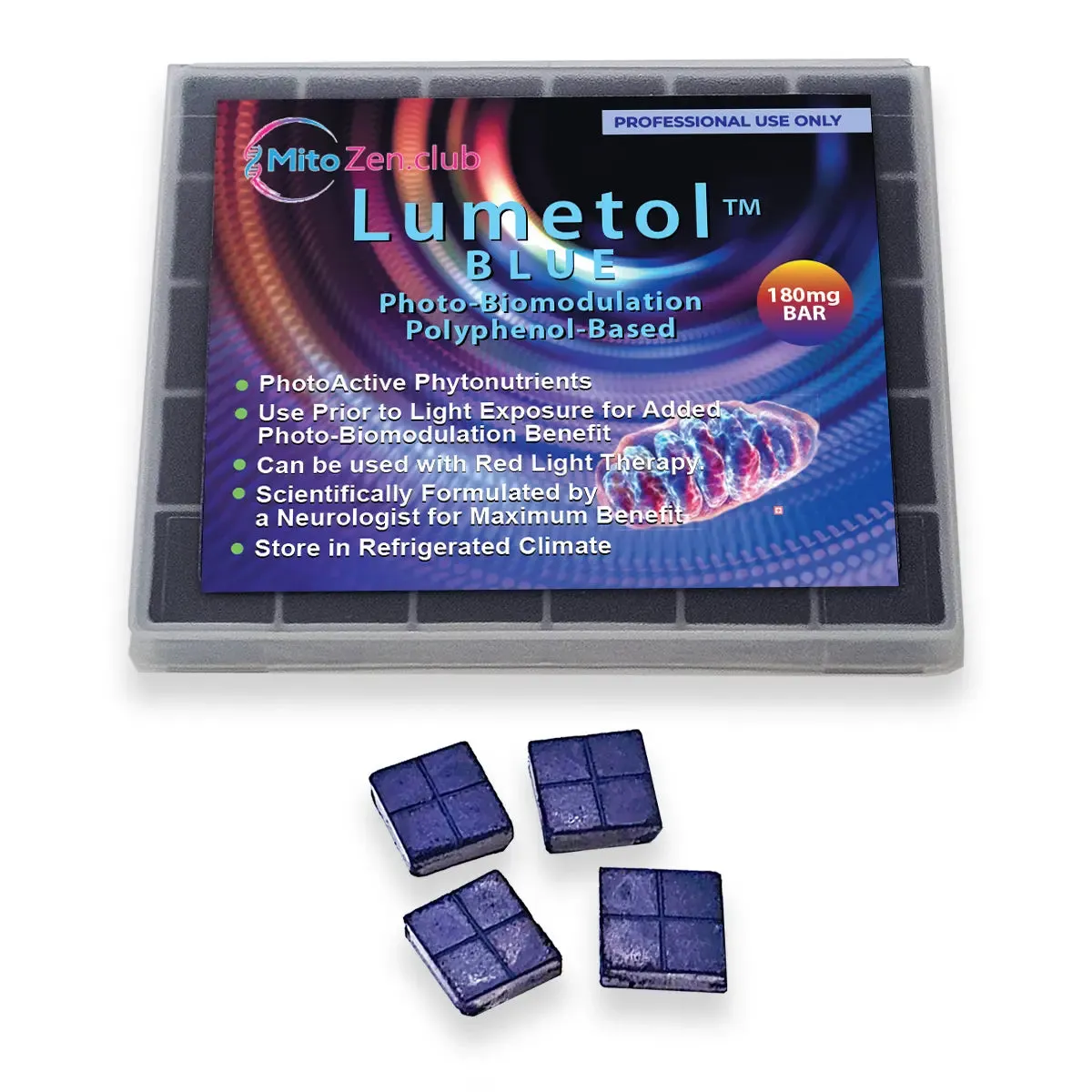
The best nootropic supplement depends on the outcome you want. For a ready-made commercial option, Satori Cognition Formula combines paraxanthine with cognitive-support ingredients for people seeking clean energy and attention. Lumetol Blue bars take a more focused methylene-blue approach. Compare the labels, safety guidance, and your individual needs before choosing either.

Research on nootropics varies widely by ingredient, population, dose, and outcome. Some options have a long history of use but limited high-quality trials. Others show narrow benefits under specific conditions. A scientific review of plant-based nootropics notes both their potential and the need for more rigorous evidence. You can review that broader context in this peer-reviewed nootropics overview from PubMed Central.
| Ingredient | Common goal | What to consider |
|---|---|---|
| Caffeine plus L-theanine | Short-term attention and alertness | Still a stimulant; timing and total caffeine matter |
| Citicoline | Mental energy and attention support | Check the exact form and amount |
| Bacopa monnieri | Learning and memory support | Usually considered a longer-term option; may affect digestion |
| Rhodiola rosea | Focus during stress or fatigue | Extract quality and standardization vary |
| Lion's mane | Long-term cognitive wellness interest | Human evidence is still developing; check mushroom source |
| L-tyrosine | Performance under acute demand | May not suit everyone; medication interactions matter |
For short-term alertness: caffeine plus L-theanine
Caffeine is familiar, fast, and easy to overuse. L-theanine is an amino acid found in tea that is often paired with caffeine to support a calmer experience. This pairing may appeal to people who want alertness but dislike the edge of coffee alone.
More is not better. Count caffeine from coffee, tea, energy drinks, pre-workout formulas, and supplements. Avoid taking it so late that it harms sleep. If the formula helps you work today but reduces tomorrow's focus through poor sleep, it is not serving clean performance.
For mental energy: citicoline
Citicoline, also called CDP-choline, provides compounds involved in cell membranes and acetylcholine pathways. It is often used in formulas aimed at attention and mental energy. The useful question is not whether the ingredient sounds scientific. It is whether the formula names the form, states the amount, and avoids hiding it inside a blend.
Choline-related ingredients can feel different from person to person. Track both benefits and unwanted effects. Do not stack several choline sources at once when first testing a formula.
For learning and memory: bacopa
Bacopa monnieri is an herb with a long history in Ayurvedic practice. It is commonly discussed as a memory and learning ingredient rather than an immediate stimulant. That distinction matters. If you expect an instant rush, you may dismiss a slower option too early or take more than intended.
Standardized extracts are easier to compare than vague herb powders. Bacopa can also cause digestive discomfort for some people. A cautious trial and clear baseline will tell you more than adding it to a large stack.
For demanding periods: rhodiola and tyrosine
Rhodiola rosea is an adaptogenic herb often chosen for fatigue and stress resilience. L-tyrosine is an amino acid involved in catecholamine production and is often considered during acute mental demand. Neither ingredient turns an exhausted body into an unlimited resource.
These options make the most sense when paired with recovery. If every day is treated like an emergency, the first intervention may be workload, sleep, or nervous system support rather than another capsule.
For long-term cognitive wellness: lion's mane
Lion's mane is a functional mushroom that has gained attention in cognitive wellness. Interest is high, but product quality can differ by species, growing method, fruiting-body content, and extraction. Human research is still developing, so avoid claims that make it sound like a proven cure or guaranteed brain upgrade.
Choose products that explain what part of the mushroom is used and how it was tested. Clean focus requires clean sourcing as much as appealing ingredient stories.
Why clean focus starts beyond the capsule
Clean focus depends on the state of your entire system, not only a capsule. Sleep, stress response, light exposure, hydration, and nervous system regulation all influence whether attention feels calm and sustainable. Build these foundations first, then use a nootropic as targeted support rather than borrowed energy.
A nootropic acts within a living system. That system includes your sleep pressure, blood sugar, stress response, light exposure, hydration, and sense of safety. When those foundations are unstable, even a well-designed formula may feel inconsistent.
Your nervous system shapes attention
Focus is not only a matter of willpower. When the nervous system reads the environment as threatening, attention naturally scans for problems. That can look like restlessness, repeated checking, shallow breathing, or the urge to switch tasks. Adding a strong stimulant may amplify the pattern.
Simple regulation practices can change the conditions around focus. Slow breathing, a short walk, a clear start ritual, and fewer open tabs can help the brain settle into one task. Upper Aeon's broader approach bridges modern performance tools with embodiment practices because sustainable output begins with the state of the whole person.
Sleep is the original cognitive stack
No supplement can fully replace sleep. Sleep supports learning, memory, emotional balance, and the ability to control attention. A formula that keeps you awake past your intended bedtime may reduce the very capacity you hoped to improve.
Protect a consistent sleep window before adding a complex stack. Use morning daylight, dimmer evening light, and a caffeine cutoff that fits your sensitivity. Upper Aeon's guide to optimizing sleep with breathwork and biohacking tools offers a practical starting point. If you snore heavily, wake unrefreshed, or struggle with ongoing sleep problems, seek clinical guidance rather than masking fatigue.
Mental energy depends on physical energy
The brain needs a steady supply of nutrients and energy. Skipped meals, dehydration, and an intense training load can all change how a nootropic feels. Start with regular meals that fit your needs, enough fluids, and appropriate recovery.
Readers exploring the connection between energy and performance can visit Upper Aeon's guide to maximizing energy with biohacking tools. The goal is not to collect more tools. It is to build a system in which each tool has a clear job.
How to choose a nootropic without chasing hype
A simple testing process protects your budget and your wellbeing. It also helps you separate an actual benefit from expectation, a good day, or a change in sleep and workload. If stress is the main barrier to attention, review these biohacking approaches to stress management before reaching for a stronger stack.
- Define one outcome. Choose a result you can observe, such as fewer attention breaks during a work block.
- Review safety first. Check medicine interactions, stimulant sensitivity, allergies, and health conditions with a qualified clinician.
- Audit the label. Look for exact amounts, clear forms, testing information, and realistic directions.
- Change one variable. Do not begin a new supplement, diet, workout plan, and sleep schedule on the same day.
- Track and reassess. Record focus, sleep, mood, energy, and side effects, then decide whether the product earns a place in your routine.
Use a baseline before the first dose
Track three to seven normal days before starting. Note the time you begin focused work, how often you break attention, your sleep duration, and your afternoon energy. Keep the method simple enough to repeat.
Then use the same measures during the trial. If the formula creates a strong feeling but does not improve the outcome, it may not be useful. If it helps focus but harms sleep or mood, the tradeoff may not be worth it.
Read past the front label
Words such as advanced, clinical, natural, and premium do not prove quality. Turn the bottle around. Confirm active amounts, serving size, allergens, warnings, and the number of servings. Look for a testing standard you can verify rather than a badge with no explanation.
Be cautious with formulas that promise instant genius, permanent transformation, or treatment of a diagnosed condition. Nootropics are cognitive supports, not substitutes for medical care. Clinical concerns such as ADHD, depression, anxiety, or ongoing cognitive changes deserve qualified assessment.
Know when the answer is no
A good selection process sometimes ends without a purchase. If the ingredient conflicts with medicine, the label hides key facts, or the product relies on fear and urgency, walk away. The same applies when your main need is sleep, food, recovery, or professional care.
Safety, timing, and common nootropic mistakes
Supplements can have real biological effects. That is why safety deserves the same attention as performance. The safest path is conservative, transparent, and easy to stop. Readers interested in a non-capsule approach can also explore The CERA System, which Upper Aeon positions as a red and near-infrared light tool with focus programs.
Avoid the giant stack
Starting several products at once makes it hard to know what helped or caused a side effect. It can also create overlapping ingredients and unexpectedly high totals. Begin with one change and give it an appropriate trial unless a clinician recommends otherwise.
Keep a list of every supplement, medicine, and stimulant you use. Share it with clinicians and pharmacists. This is especially important for ingredients that may affect blood pressure, sleep, mood, blood clotting, or the way medicines are processed.
Time stimulants around sleep
Stimulants can create a hidden loop: take them to fight fatigue, sleep poorly, then need more the next day. Break the loop by setting a daily caffeine total and cutoff. If you are highly sensitive, a non-stimulant path may be a better fit.
Watch for signs that a dose is too activating, including tension, rapid heartbeat, anxiety, irritability, or trouble winding down. Stop and seek medical advice for severe or concerning symptoms.
Respect individual response
A product praised by a friend may not suit your body, goals, or routine. Genetics, sleep, diet, medicines, stress, and past caffeine use can all shape the response. Personalization should mean careful observation, not endless experimentation.
The Upper Aeon mental clarity guide explores how light and wellness tools may fit into a wider routine. Use any tool as part of an intentional system, not as a shortcut around basic needs.
Build a sustainable clean-focus protocol
The best nootropic supplement works best inside a clear protocol. A protocol tells you what you are doing, why you are doing it, how you will measure it, and when you will stop. It turns a shelf of possibilities into a small set of useful choices.
Set the state before the task
Begin with a two-minute reset. Put the phone away, clear the workspace, breathe slowly, and name the one outcome that matters. This creates a cleaner signal for attention. It also helps you notice whether a supplement supports focus or simply adds stimulation.
Pair that reset with a realistic work block and a true break. Clean focus is rhythmic. The ability to release attention and recover is part of performance, not a failure of discipline.
Support energy without borrowing it
Choose food, movement, light, rest, and supplements that leave you capable tomorrow. Upper Aeon curates a wider range of biohacking and longevity supplements for readers building a broader wellness system. Compare every option against your goal and the transparent-selection rules in this guide.
A useful protocol is often smaller than expected: sleep timing, morning light, a focused work ritual, one carefully chosen supplement, and a weekly review. Complexity feels advanced, but consistency produces clearer feedback. For a guided learning path, explore Upper Aeon's healing and transformational online courses.
Review the full system
At the end of each week, ask four questions. Did focus improve? Did sleep and mood stay stable? Did the change help meaningful work? Is the result worth the cost and effort? Keep what works, change what does not, and avoid becoming attached to the identity of being a person with a large stack.
Frequently asked questions about nootropic supplements
What is the best nootropic supplement for focus?
The best choice depends on your goal, health, and tolerance. For more context on combining supplements with other tools, read Upper Aeon's guide to mental clarity with light therapy and neuro-enhancing supplements. Caffeine with L-theanine may suit short-term alertness, while citicoline, bacopa, rhodiola, or lion's mane may fit other goals. Prioritize transparent labels, appropriate evidence, and a trial you can track.
Are nootropic supplements safe?
They can cause side effects and interact with medicine. Natural does not mean risk-free. Speak with a qualified clinician before use if you take medicine, have a health condition, are pregnant, or are sensitive to stimulants.
How long do nootropics take to work?
Timing depends on the ingredient. Caffeine may feel fast, while herbs such as bacopa are usually considered over a longer period. Follow directions, change one variable at a time, and track both benefits and side effects.
Can nootropics replace sleep?
No. Supplements cannot replace the cognitive benefits of sound sleep, good nutrition, movement, and stress regulation. Treat a nootropic as one optional part of a wider clean-focus protocol.
Ready to create cleaner, more sustainable focus?
Start with your goal, protect the foundations, and choose only products that earn your trust. Explore Upper Aeon's curated wellness ecosystem to build a focus protocol that supports clarity, resilience, and lasting performance.