

Methylene blue generates serious interest in the biohacking community for its mitochondrial and cognitive benefits. But informed users and practitioners need a clear, evidence-based understanding of methylene blue side effects before integrating this compound into any protocol. The safety profile depends on three variables: dose, purity, and individual biology. This guide examines the clinical data on adverse effects, drug interactions, contraindications, and how to source pharmaceutical-grade methylene blue for safe use.
Shop pharmaceutical-grade methylene blue now
Methylene blue side effects are strictly dose-dependent and driven by purity. At low biohacking doses (0.5-5 mg oral), adverse effects are typically limited to harmless urine discoloration and occasional mild nausea. At higher doses (2+ mg/kg IV), risks escalate to serotonin syndrome, hemolytic anemia in G6PD-deficient individuals, and hypertensive crisis. The gap between industrial-grade and USP pharmaceutical-grade methylene blue is critical, as industrial batches may contain heavy metal contaminants that create their own toxicity profile.
Understanding methylene blue side effects begins with how this compound behaves in human physiology. Methylene blue is a potent monoamine oxidase A inhibitor, an electron cycler in the mitochondrial electron transport chain, and a strong oxidizing agent at high concentrations. Each mechanism carries distinct risk profiles that shift with dosage and individual health status.
How Does Methylene Blue Work in the Body?
Methylene blue functions as a reversible MAO-A inhibitor and a mitochondrial electron cycler. At low concentrations, it accepts and donates electrons within complex IV of the electron transport chain, enhancing ATP production while reducing oxidative stress. At higher concentrations, it shifts from antioxidant to pro-oxidant behavior, which explains the dose-dependent toxicity curve documented in clinical literature.
Methylene blue operates through two primary mechanisms that directly shape its side effect profile. First, as a redox-active compound, it cycles between oxidized and reduced states, accepting electrons from NADH and donating them to cytochrome c in the mitochondrial membrane. This electron-shuttling activity supports mitochondrial respiration and ATP synthesis, which is the foundation of its biohacking appeal for energy, focus, and neuroprotection.
Second, methylene blue acts as a reversible MAO-A inhibitor, slowing the breakdown of serotonin, norepinephrine, and dopamine in the central nervous system. This mechanism is responsible for the most dangerous methylene blue side effects when the compound is combined with serotonergic medications. Clinical data from the National Institutes of Health confirms that MAO-A inhibition becomes clinically significant at plasma concentrations above 500 ng/mL, corresponding to oral doses around 0.75 mg/kg.
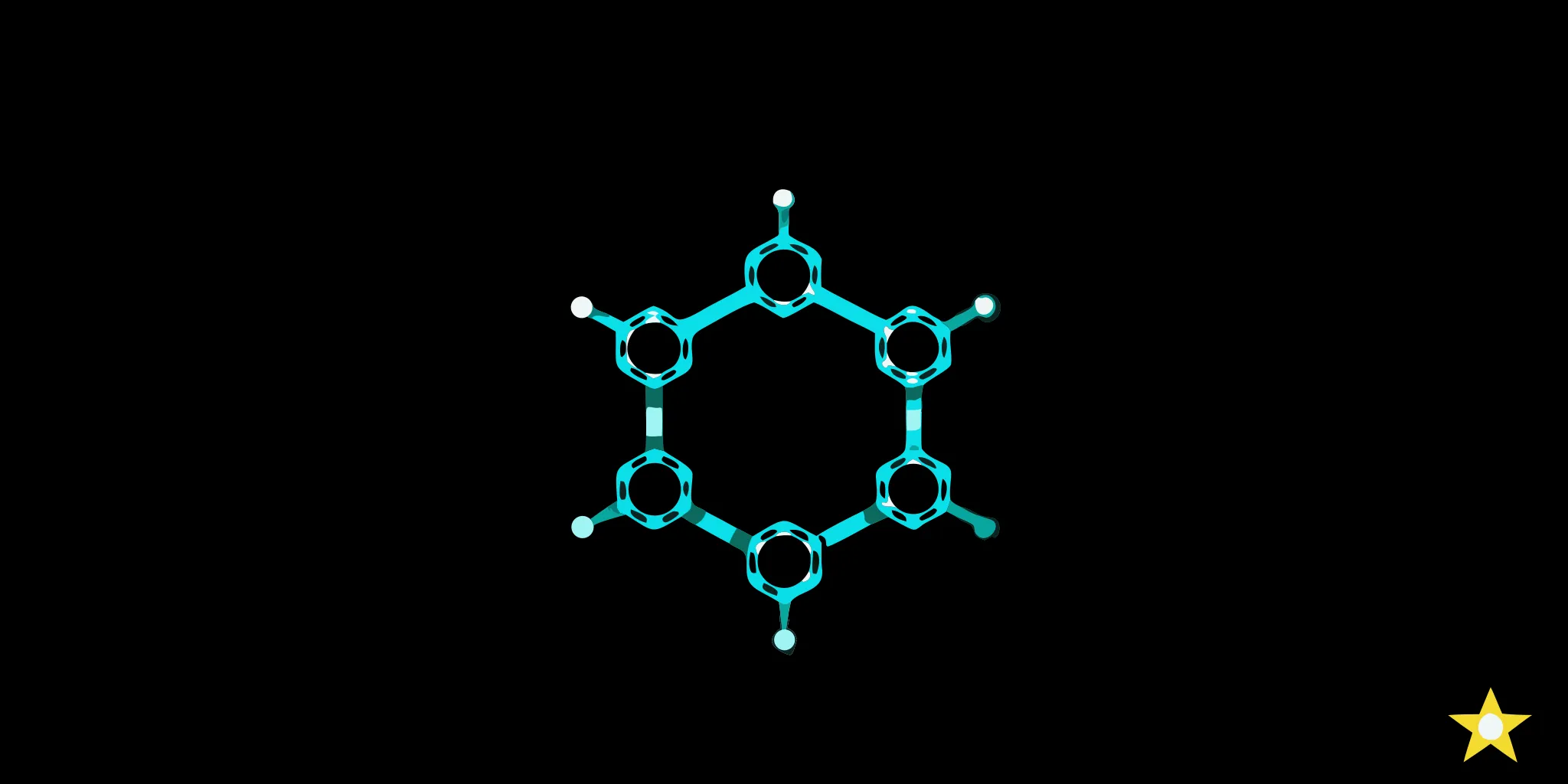
At the cellular level, methylene blue's affinity for mitochondria explains its preferential accumulation in metabolically active tissues, including the brain, heart, and muscles. This selective biodistribution means that side effects often manifest first in these high-energy systems, which is why cardiovascular and neurological symptoms appear early in overdose scenarios.
For a broader overview of how this compound supports cellular function, see the science-backed guide to methylene blue benefits.
What Are the Most Common Methylene Blue Side Effects?
The most common methylene blue side effects are benign and self-limiting. Green or blue urine discoloration affects nearly all users and is harmless. Mild nausea, transient headache, and slight dizziness occur in approximately 2% of users according to clinical surveillance data. These effects typically resolve within days as the body adjusts and are strongly dose-dependent, rarely appearing below 2 mg/kg.
Clinical surveillance data from the National Library of Medicine and post-marketing reports paint a consistent picture of methylene blue side effects at therapeutic and sub-therapeutic doses. Understanding the difference between expected physiological responses and adverse events is critical for safe self-administration.
Urine and Stool Discoloration
Blue-green urine discoloration is the most predictable effect of methylene blue and occurs in virtually all users. The compound is excreted renally as leucomethylene blue, producing a characteristic blue or green tint that can persist for 24-48 hours after the last dose. This effect is entirely benign and represents normal renal clearance, not toxicity. Stool may also show a bluish tint due to biliary excretion. No clinical evidence links this discoloration to renal or hepatic damage.
Gastrointestinal and Neurological Symptoms
Beyond discoloration, controlled studies report a low incidence of adverse effects. Based on aggregated clinical surveillance data, approximately 2% of users experience:
- Nausea and gastrointestinal discomfort. This effect is typically mild and transient, often mitigated by taking methylene blue with food.
- Transient headache. This symptom usually resolves within 30-60 minutes and is more common in the first week of use.
- Mild dizziness or lightheadedness. This is reported most often when standing quickly after dosing.
- Metallic taste sensation. Some users report this symptom, which resolves within hours of dosing.
These effects cluster at the onset of use and typically attenuate within 3-7 days as the body accommodates. They appear with greater frequency at doses exceeding 2 mg/kg, which is far above the typical biohacking range of 0.5-5 mg total daily oral dose.
For precise dosing guidance, refer to the complete oral dosing guide for methylene blue.
Dose-Dependent Toxicity: How Much Is Too Much?
Methylene blue toxicity follows a well-characterized dose-response curve. Below 2 mg/kg, adverse effects are mild and rare. Between 2-7 mg/kg, risks include nausea, chest pain, hypertension, and hemolysis. Above 20 mg/kg, severe hypotension, cyanosis, and cardiac arrhythmias emerge. Biohacking protocols using 0.5-5 mg oral doses operate orders of magnitude below the clinical toxicity threshold.
The relationship between methylene blue dose and toxicity is one of the best-characterized aspects of its pharmacology. A comprehensive NIH clinical review identifies three distinct risk zones that map precisely to plasma concentration thresholds.
| Dose Range | Risk Level | Observed Effects |
|---|---|---|
| Below 2 mg/kg. | Low. | Blue-green urine, rare mild nausea, transient headache. |
| 2-7 mg/kg. | Moderate. | Nausea, chest pain, hypertension, hemolysis, diaphoresis. |
| 20-80 mg/kg. | Severe. | Severe hypotension, cyanosis, cardiac arrhythmias, metabolic acidosis. |
The Biohacking Safety Margin
Typical oral biohacking protocols use 0.5-5 mg total daily dose. For a 70 kg individual, this equates to 0.007-0.07 mg/kg, approximately 30-300 times below the 2 mg/kg threshold where mild adverse effects begin appearing. This safety margin is substantial but assumes three conditions are met: the product is USP-grade. The user has confirmed absence of G6PD deficiency, and no serotonergic medications are being taken concurrently.
Hospital use of intravenous methylene blue for methemoglobinemia follows a 1-2 mg/kg protocol, often administered as a single dose. These patients are monitored for methylene blue side effects including transient hypertension, nausea, and a characteristic blue-gray skin discoloration that resolves within hours. The difference between monitored clinical administration and self-directed biohacking underscores the importance of conservative dosing.
For specific guidance on titration protocols, see the methylen blue drops per day guide for safe starting strategies.
Serotonin Syndrome: The Critical Drug Interaction
Serotonin syndrome is the most dangerous methylene blue side effect when combined with serotonergic medications. Methylene blue is a reversible MAO-A inhibitor, and concurrent use with SSRIs, SNRIs, or MAOIs can produce life-threatening serotonin toxicity. A minimum 14-day washout of SSRIs is recommended before initiating methylene blue, and doses above 0.75 mg/kg carry the highest interaction risk.
This interaction represents the most clinically significant safety concern with methylene blue. The mechanism is well-documented: methylene blue inhibits MAO-A, the enzyme responsible for degrading serotonin in the central nervous system. When combined with SSRIs that block serotonin reuptake, synaptic serotonin levels can rise to dangerous concentrations, producing serotonin syndrome.
Clinical Evidence and Thresholds
The FDA issued a warning about this interaction based on post-marketing surveillance data. The DailyMed drug record identifies approximately 0.75 mg/kg as the threshold where MAO-A inhibition becomes clinically relevant in the central nervous system. Below this level, the risk of serotonin syndrome is significantly lower, though not zero, particularly in individuals with genetic polymorphisms affecting serotonin metabolism.
Identifying Serotonin Syndrome
The clinical presentation of serotonin syndrome follows a predictable pattern that biohackers and practitioners should recognize immediately:
- Autonomic instability including tachycardia, hyperthermia, diaphoresis, and hypertension or hypotension.
- Neuromuscular hyperactivity including clonus (spontaneous or inducible), hyperreflexia, and tremor.
- Mental status changes including agitation, confusion, restlessness, and in severe cases, delirium.
Management requires immediate discontinuation of both methylene blue and the serotonergic agent. Severe cases may require cyproheptadine administration and supportive care in a medical setting.
Managing Drug Transitions
For individuals currently taking serotonergic medications, a minimum washout period is required before initiating methylene blue. Standard guidance recommends:
- SSRIs and SNRIs require at least 14 days of washout due to their long elimination half-lives and active metabolites.
- Fluoxetine requires at least 5 weeks due to its exceptionally long half-life (4-16 days for norfluoxetine).
- MAOIs require at least 14 days before switching, though concurrent use with methylene blue is categorically contraindicated.
Always consult a healthcare professional familiar with methylene blue pharmacology before transitioning off serotonergic medications.
G6PD Deficiency and Other Contraindications
G6PD deficiency is an absolute contraindication for methylene blue use. Individuals with this X-linked genetic disorder cannot generate sufficient NADPH to reduce methylene blue to its leuko form, causing oxidative hemolysis and potentially life-threatening hemolytic anemia. Additional contraindications include severe renal impairment, pregnancy, and concurrent MAOI use.
Certain populations face elevated risks from methylene blue due to genetic, metabolic, or physiological factors. These contraindications are absolute in some cases and relative in others, requiring careful individual assessment.
G6PD Deficiency: The Absolute Contraindication
Glucose-6-phosphate dehydrogenase deficiency is the most important genetic contraindication for methylene blue. This X-linked disorder affects an estimated 400 million people worldwide, with higher prevalence in individuals of African, Mediterranean, and Southeast Asian descent. The FDA prescribing information lists G6PD deficiency as a clear contraindication because affected individuals lack the NADPH required to convert methylene blue to its leuko form. Without this conversion, methylene blue acts as a pro-oxidant within erythrocytes, triggering oxidative hemolysis that can progress to hemolytic anemia, jaundice, and in severe cases, acute kidney injury.
Renal Impairment
Methylene blue and its metabolites are primarily cleared through renal excretion. Individuals with moderate to severe chronic kidney disease may experience drug accumulation, prolonging exposure and increasing the risk of methylene blue side effects. Clinical guidelines recommend a maximum single dose of 1 mg/kg for patients with estimated GFR below 30 mL/min.
Pregnancy and Lactation
Current evidence is insufficient to establish safety during pregnancy and lactation. Animal studies have demonstrated dose-dependent embryotoxicity at high doses, though human data is limited. Intra-amniotic injection of methylene blue during pregnancy has been associated with fetal hemolytic anemia and neonatal hyperbilirubinemia. The conservative approach is to avoid methylene blue during pregnancy and breastfeeding unless explicitly prescribed by a physician.
Pharmaceutical vs. Industrial Grade: Why Purity Defines Safety
The safety of methylene blue depends on sourcing pharmaceutical-grade USP material. Industrial-grade methylene blue used in textiles, laboratory staining, and aquarium treatment contains heavy metal contaminants including lead, arsenic, and mercury that produce their own toxic effects. USP-grade methylene blue requires third-party testing with a Certificate of Analysis confirming purity above 98% and heavy metals below detectable limits.
The distinction between industrial and pharmaceutical-grade methylene blue is not a marketing consideration. It is a fundamental safety requirement. Many reported methylene blue side effects attributed to the compound itself may actually stem from contaminants present in low-grade sources.
| Factor | Industrial Grade | USP Pharmaceutical Grade |
|---|---|---|
| Purity. | Variable, often below 90%. | Consistently above 98%. |
| Heavy metal testing. | Rare or absent. | Third-party COA per batch. |
| Intended use. | Textiles, lab stains, aquariums. | Human medicinal or supplement use. |
| Regulatory oversight. | None for human consumption. | GMP-certified manufacturing. |
| Contaminant risk. | Lead, arsenic, mercury, aniline. | Documented and verified clean. |
What USP Certification Requires
USP-grade certification requires manufacturers to meet the United States Pharmacopeia standards for identity, strength, purity, packaging, and labeling. Each production batch undergoes third-party testing for heavy metals, residual solvents, and microbiological contaminants. A Certificate of Analysis documenting these results should be available from any reputable supplier before purchase.
For guidance on selecting a verified product, see the review of the best methylene blue supplements with batch-specific testing data.
How To Mitigate Methylene Blue Side Effects
A safe methylene blue protocol requires five steps: confirm G6PD status through blood testing, review all current medications for serotonergic interactions, start at 0.5-1 mg daily and titrate slowly. Source only USP-grade material with a current COA, and maintain a symptom log for the first 14 days to identify any emerging methylene blue side effects early.
Safe use of methylene blue is achievable through a structured approach to risk mitigation. The following protocol is derived from clinical best practices and the established pharmacology of the compound.
- Pre-screening: Order a G6PD quantitative blood test before first use. This simple lab test eliminates the most significant risk factor. Also review all current prescriptions and supplements for serotonergic activity requiring washout.
- Source verification: Request the Certificate of Analysis for the specific batch you intend to purchase. Verify USP-grade certification, heavy metal testing results, and purity percentage above 98%. Reject any supplier that cannot provide batch-specific documentation.
- Conservative dosing: Begin with 0.5 mg (approximately one drop of 1% solution) once daily for the first week. Increase by 0.5 mg per week only if no adverse effects emerge. Do not exceed 5 mg daily without clinical supervision.
- Monitoring: Track heart rate, blood pressure, sleep quality, digestive comfort, and mental state daily for the first 14 days. Document any deviation from baseline. Discontinue use and consult a healthcare provider if symptoms beyond urine discoloration or mild transient nausea appear.
- Periodic reassessment: Re-evaluate the protocol every 30 days. Assess whether benefits justify continued use and whether any new medications or health conditions have emerged that alter the risk profile.
For detailed step-by-step guidance on starting a protocol, refer to the comprehensive methylene blue oral dosage guide.
Frequently Asked Questions
What are the common side effects of methylene blue?
The most frequently reported methylene blue side effects at low oral doses include harmless blue-green urine discoloration affecting nearly all users. Mild nausea in approximately 2% of users, transient headache, and occasional lightheadedness. These effects are strongly dose-dependent and typically resolve within the first week of use. According to the National Library of Medicine, serious adverse events are rare at doses below 2 mg/kg and primarily associated with intravenous administration in clinical settings.
Does methylene blue turn urine and stool green?
Yes, blue-green discoloration of urine and stool is a normal and harmless physiological response to methylene blue. The compound is excreted renally as leucomethylene blue and through biliary excretion into the stool. This effect begins within hours of the first dose and persists 24-48 hours after discontinuation. It indicates normal renal and hepatic clearance and is not a sign of toxicity or organ damage.
What is the risk of serotonin syndrome with methylene blue?
Serotonin syndrome is the most serious methylene blue side effect, caused by the compound's MAO-A inhibitory activity combined with serotonergic medications. The FDA prescribing information warns that concurrent use with SSRIs, SNRIs, or MAOIs can lead to life-threatening serotonin toxicity. Symptoms include hyperthermia, tachycardia, clonus, and altered mental status. A minimum 14-day washout of serotonergic medications is recommended before initiating methylene blue.
Is methylene blue safe for individuals with G6PD deficiency?
No, G6PD deficiency is an absolute contraindication for methylene blue use. Individuals with this genetic disorder lack sufficient NADPH to reduce methylene blue to its leuko form, causing oxidative hemolysis of red blood cells. This can progress to hemolytic anemia, jaundice, and acute kidney injury. Anyone considering methylene blue should confirm their G6PD status through a quantitative blood test before first use.
What is the safe dosage range for methylene blue supplementation?
For biohacking purposes, the safe oral dose range is 0.5-5 mg total daily dose, well below the 2 mg/kg threshold where mild adverse effects begin. Clinical guidelines from the NIH clinical review confirm that adverse effects are rare below 2 mg/kg. Starting at 0.5 mg daily and titrating upward slowly is the recommended approach for new users.
Start Your Mitochondrial Protocol With Confirmed Safety
Understanding methylene blue side effects is the foundation of responsible supplementation. The evidence is clear: when sourced correctly and dosed conservatively, methylene blue offers mitochondrial support with a manageable risk profile. The key is preparation, verification, and respect for the compound's pharmacology.