

Specific wavelengths of red and near-infrared light can influence cellular chemistry, supporting energy production and tissue repair. But results depend on the goal, dose, device quality, and consistent use. The evidence is strongest for skin health and wound healing, while many broader wellness claims still need better research.
Shop Upper Aeon's curated biohacking tools to build a more intentional recovery and light-hygiene routine.
Does red light therapy work? Yes, red light therapy works by using specific red and near-infrared light wavelengths to support mitochondrial energy and adenosine triphosphate (ATP) production in your cells. This biological process, known as photobiomodulation, allows photons to interact with cytochrome c oxidase and trigger downstream effects that may include reduced inflammation, faster healing, and better skin health. According to research published in the National Library of Medicine, these wavelengths promote cell growth and migration to support tissue resilience. Results depend on using the correct light power and duration over several weeks of consistent use.
You likely have questions about how these biological changes translate into real results for your skin, mood, and recovery goals. Below, we examine the strongest evidence, practical limits, safety considerations, and ways to evaluate red light therapy for yourself.
Does red light therapy work? The short answer
Red light therapy works best for specific, evidence-supported goals and when the device delivers an appropriate dose consistently. Research is strongest for selected skin and wound-healing applications. Evidence for pain, recovery, and other wellness goals varies, so results should be measured rather than assumed.
Yes, red light therapy works for many health goals. Most experts agree it helps with skin health and wound healing. But it is not a magic fix for every health issue. To see a change, you must use it the right way for many weeks.
This method is also called photobiomodulation. It uses light waves to help your cells work better. While it is well known in the biohacking world, it is not just a trend. The National Library of Medicine made it a formal medical term in 2015.
How light helps your cells
Red light works by helping your cells make more power. Your cells have small parts called mitochondria that act like tiny power plants. When red light hits them, it helps them produce more ATP. This is the fuel your body uses to heal and grow.
By making more fuel, your cells can repair damage faster. This process is how red light therapy works to boost your health. Science shows that red and near-infrared light can increase cell power. This helps your skin look better and helps your body bounce back from stress.
The need for steady use
You cannot use red light once and expect a big change. It takes time for your body to react to the light. Most people need to use the device for a few weeks before they see clear results. Using it the same way every time is key to getting the best outcome.
The power and time of your session matter a lot. These settings include how close you are to the light and how long you sit there. Most systems use light between 630 and 700 nanometers to reach the skin. This range is safe for most people to use at home.
Proof for each goal
Not all uses for red light therapy have the same level of proof. Some goals have many health studies to back them up. Others are still being studied by experts. Knowing the strength of the proof helps you set real goals for your health.
| Goal | Level of Proof | What to Expect |
|---|---|---|
| Skin Health | High | Less redness and smoother skin. |
| Wound Healing | High | Faster repair for cuts and damage. |
| Pain Relief | Moderate | Less joint pain and muscle aches. |
| Sleep Quality | Emerging | Better rest and mood levels. |
Even for goals with high proof, you must follow the rules for your device. NASA first studied red light to help heal wounds in space. Today, doctors use it to help people with skin issues. More than 90% of people in skin health studies saw a good change.
How does red light therapy affect the body?
Red light therapy may affect the body through photobiomodulation, a process in which targeted wavelengths interact with light-sensitive components inside cells. This interaction may support ATP production, cell signaling, circulation, and repair. The response is dose-dependent, so more exposure is not automatically better.
What is photobiomodulation?
To understand if red light therapy works, we must look at how it talks to our cells. This process is known as photobiomodulation. It uses specific red light therapy wavelengths to reach into the skin. Most devices use red light between 620 and 700 nanometers. They also use near-infrared light from 700 to 1440 nanometers to go deeper into the body.
Studies on how light affects life date back to the 1960s. A study in Photodermatology, Photoimmunology & Photomedicine shows that these light waves can change how our cells act. This is why many people use it to help with skin health or to boost how they feel each day. It acts like a sign that tells our body to start healing.
Energy production in the cells
The main way this light helps is by targeting our mitochondria. These are the small power plants inside our cells. They take in food and light to make a fuel called ATP. When we are tired or stressed, our cells may not make enough of this fuel. Red light helps by kickstarting this energy process.
The light hits a part of the cell called cytochrome c oxidase. Research shows that this step helps the cell make more ATP by clearing out things that block energy flow. This boost in fuel can help cells fix themselves faster. It also sends signals that help with how cells grow and move through the body.
This cellular signaling is a key part of how red light therapy works for biohackers. By changing how cells talk to each other, the light can lower stress in the body. It may also help with nervous system regulation. These changes happen at a small scale, but they can add up to big results over time.
The importance of the right dose
While red light is helpful, it is not a magic fix that works for everyone in one go. You must use the right amount of light to see a change. This is often called the dose. If you use too little light, nothing may happen. If you use too much, it could even slow down your progress.
Factors that change how well it works include:
- How strong the light is from the device.
- How far you stand from the light source.
- How many minutes you spend under the light each time.
- How many days a week you use the therapy.
Experts say that treatment time and power are both vital for success. Most people need to stay consistent for several weeks before they notice a real shift. It is also wise to remember that while the science is strong, it does not prove every claim made by brands. Always look for facts and use the light as one part of a healthy lifestyle.
Where is the evidence for red light therapy strongest?
The strongest red light therapy evidence supports selected uses in skin health, wound healing, and tissue repair. Research into pain, muscle recovery, sleep, mood, and broader performance goals is promising but less settled. Match each claim to its evidence quality instead of treating all benefits as equally proven.
Many people ask, does red light therapy work for their health goals? While you see many bold claims, the science shows clear wins in key areas. Experts look at peer-reviewed data to see where this tool helps most. The strongest proof today covers skin care, wound healing, and tissue repair. This focus on light hygiene helps support your body at a deep level.
Skin health and look
The use of light for skin is well-backed by study data. Studies show that red light can improve skin texture and tone. It helps by reducing redness and making dark spots look lighter. A study from the American Academy of Dermatology showed that most users saw softer skin. It also found that light can help with fine lines and signs of aging.
Steady use over several weeks is key for these results. It is not a quick fix, but it works with your body's natural rhythm. By hitting your mitochondria, the light helps your skin cells stay active. This boost in energy helps your skin look fresh and clear. Many people use this tool to keep a healthy glow without harsh chemicals. It is a core part of how red light therapy works for your long-term health.
Wound healing and tissue repair
Wound support is another area where the proof is very strong. NASA first studied red light to help plants grow in space. They soon found it helped heal wounds in astronauts too. This led to more health tests on how light speeds up the repair of skin and deep tissue. It is now a common tool in clinics for tough wounds.
The light works by hitting a certain part of your cells. This boost leads to more ATP, which is the energy your cells need to fix damage. Research on photobiomodulation shows it can help cells grow and move better. This leads to faster healing and less scarring in many cases. It gives a safe way to help the body fix itself after an injury.
Studies show that this light also helps with blood flow. Better blood flow means more oxygen reaches the wound. This is why doctors use it for burns and surgical sites. It helps the tissue knit back together with less pain and swelling. This makes it a great part of a healing plan.
Pain relief and muscle recovery
Many athletes use red light to bounce back after a hard workout. Upper Aeon's guide to red light therapy for stamina and recovery explores how one recovery-focused device fits into a broader routine.
The proof for pain relief is growing fast. The proof for pain relief is growing fast. Studies show it may help with joint pain and muscle soreness. It does this by lowering swelling in the area where you use it. This makes it a great tool for daily recovery.
While more work is needed for some types of pain, the current data is good. It is a safe option that does not use drugs. Many find it helpful for chronic issues like back pain or sore knees. For best results, use it often as part of a full plan for health. It helps you stay active and feel your best each day.
What are the limits of red light therapy?
Red light therapy is not a cure-all or a replacement for medical care, sleep, nutrition, or movement. Its results vary with the condition, wavelength, dose, device quality, and consistency. Some popular claims are supported only by early or small studies, so realistic expectations matter.
Many people ask, does red light therapy work as a magic fix for every health problem? While it is a great tool, it is not a magic wand. You should not expect it to fix everything in one day. Light helps your cells work well, but it has limits. To get real results, you must know how to use it the right way. It works best when you pair it with a good diet and plenty of rest.
Results take time and steady use
One big limit is the time it takes to see a change. You cannot just use a red light once and expect your skin or muscles to feel new. Most studies show that your body needs time to react to the light. The cells in your skin and muscles need to absorb the energy and start to heal. This takes more than a few days.
The Cleveland Clinic notes that steady use over several weeks is a must to see a real shift. If you only use it once in a while, you likely will not see any gains. Think of it like going to the gym. You do not get strong after one day of lifting. You must show up often and follow a plan. For most people, this means using the light for 10 to 20 minutes a few times each week.
Device quality and power matter
The type of tool you use also sets a limit on your results. Many cheap lights found online do not have enough power. If the light is too weak, it cannot get through your skin to reach your cells. You must check the red light therapy wavelengths before you buy a device. The best tools use exact bands of light that have been tested in labs.
Research shows that how well the light works depends on settings like power and time. Experts call this the "dose." If the dose is too low, nothing happens. If it is too high, it might even be less helpful. This is why buying a high-quality light is so key. A good tool gives you the right dose of light to help your mitochondria make energy. Without the right power, you are just sitting in front of a red bulb.
Not a swap for healthy habits
Another limit is that red light cannot fix a poor life style. It is a boost for your health, but it is not a fix for bad habits. If you do not sleep well or eat good food, the light can only do so much. It works as one part of a full health plan. To get the best results, you should still focus on these key habits:
- Getting seven to nine hours of deep sleep each night and using evidence-informed practices for optimizing sleep with breathwork and biohacking tools.
- Eating a diet full of whole foods and clean water.
- Moving your body with daily walks or gym time.
- Lowering stress through breathwork or quiet time.
The American Academy of Dermatology says that more research is needed to prove it works for every claim you see online. It is proven for skin health and healing wounds, but other uses are still being studied. You should use it to help your body heal and grow, but do not stop seeing your doctor. It is one piece of the puzzle, not the whole picture. Use it to support your goals as you learn how red light therapy works for your body.
How can you evaluate red light therapy for yourself?
Evaluate red light therapy by choosing one measurable goal, checking the device wavelength and dose guidance, and tracking the same outcome for four to eight weeks. Follow the manufacturer's safety instructions and consult a qualified clinician when you have a medical condition, take photosensitizing medication, or experience an adverse reaction.
To find out if red light therapy is right for you, you need a clear way to test it. Many people ask, "does red light therapy work?" before they start. The truth is that the results often depend on how you use the tool. If you have a plan, you can check your own path and see how your body reacts to the light. This helps you move from just trying a new thing to a real health habit.
You should treat this like any other part of your daily life. It takes time, focus, and the right gear. By following a simple path, you can make sure you get the most out of every time you use it. You do not need to guess if it is helping when you have a set of steps to follow. This way, you stay in charge of your own health journey.
Pick the right goal and light waves
Your first move is to know what you want to change. Red light therapy is not a one-size-fits-all fix. Some people use it for their skin, while others want to help their muscles after a long run. You must match your device to your goal to get the best results. Learning about red light therapy wavelengths is a key part of this choice. If the light waves are too short or too long for your goal, you may not see the change you want.
For skin issues like redness or fine lines, you usually want red light. This light stays near the surface where it can help your skin cells. If you want to help deeper parts of your body, you may need near-infrared light. This type of light can go deep into your tissues and joints. To see if it is helping, you must use the right kind of light for the job. Knowing how red light therapy works can help you make a smart choice.
- Set a clear goal. Pick one thing you want to change, such as skin tone or muscle rest. Having one goal makes it easy to track your wins.
- Check the light waves. Make sure your device uses the right nanometers for your goal. Most devices for home use red light between 630 and 700 nanometers.
- Follow the timer. Use the light for the exact time the maker tells you. Most people start with ten to twenty minutes a day to stay safe.
- Protect your eyes. Always wear goggles if the light is bright or if the manual says you should. Experts say you must protect your eyes from strong light to avoid harm.
- Track your progress. Keep a simple log of how you feel or take photos of your skin. Do this for at least four to eight weeks before you decide if it works.
Stay safe and talk to a pro
While most people find red light therapy safe, you should always be careful. It is a good idea to talk to a doctor before you start any new health plan. This is true if you have a skin issue or take meds that make your skin weak to light. A pro can help you find the best way to use the light without any risks. They can also tell you if your goals are a good match for this kind of therapy.
When you start, watch for how your skin reacts. Some people see a bit of redness at first, but this usually goes away fast. If you feel any pain or see big changes in your skin, stop using the light and ask for help. Using the light in the right way is the best path to success. Most health guides say that using the light as told is safe and helps you see results over time.
Steady use is the secret to seeing if the light is helping you. You won't see a big shift after just one or two days. It often takes several weeks of steady use for your body to change. If you stay on track, you will have the data you need to answer the question for yourself. Then you can decide if you want to keep it as a part of your long-term health plan.
Should you use an at-home device or professional treatment?
At-home devices make consistent sessions convenient, while professional treatments may offer more powerful equipment and clinician-guided dosing. Neither setting guarantees a result. The better choice depends on your goal, budget, device specifications, safety needs, and ability to follow a repeatable schedule.
Many people ask, how red light therapy works when you use it at home versus in a clinic. Both options can help your body, but they offer other strengths. Clinic tools are often larger and have more power. Home devices are smaller but allow you to keep a steady schedule. To know if your choice will work, you must look at how much light reaches your skin.
Clinic power and settings
Pro tools used by doctors or skin experts are often strong. They can give a high dose of light in a short time. This is because they have high "irradiance." This term just means how much light power hits a set area. Experts say that how well the therapy works depends on settings like power and time. In a clinic, a pro can set these levels to fit your needs. These tools often use many light bulbs to cover your whole body at once.
As stated by the Cleveland Clinic, pro treatments may use lasers or strong LED panels. These tools can reach deep into the skin to help with pain or wound healing. Because the light is so strong, you may need fewer visits to see a change. But these visits can be costly and take time out of your day. For some, the high cost of clinic care makes home tools a better pick.
The value of steady use
Home tools are now common because they are easy to use. You can also explore Upper Aeon's light therapy and mental clarity guide for another perspective on integrating light into a wider wellness practice.
You can find masks, wands, or small panels to use in your own room. You can find masks, wands, or small panels to use in your own room. While these tools have less power than clinic units, they still offer real help. The key is to use them often. Many find that steady use over several weeks is the best way to see results. At home, it is much easier to stick to a daily plan.
When using a home tool, you must pay attention to how close you sit to the light. If you sit too far away, the light may not be strong enough to do much. If you sit too close, you could get a small burn if the tool gets hot. Most home tools are safe if you follow the rules. They are built to be less strong so that you can use them without a doctor. This makes them a great choice for long-term skin health or muscle healing.
Picking the best path
Choosing between a clinic and a home tool depends on your goals and your budget. If you have a big injury or need fast help, a pro visit may be best. The strong tools in a clinic can give you a boost that home tools might miss. But for most daily biohacking goals, a good home panel is enough. It helps you keep your "light hygiene" in check every day without leaving your house.
No matter which path you take, safety is the first thing to think about. Always check that your device uses the right red light therapy wavelengths. Most studies look at lights between 630 and 700 nanometers for the best results. Also, look for tools that have been tested for safety. Using the right light at the right dose is the only way to make sure the therapy works for you.
Explore Upper Aeon's on-demand practices to pair recovery technology with breathwork, meditation, and embodiment.
Frequently Asked Questions
These answers address the most common questions about effectiveness, timing, pain support, and at-home devices. Red light therapy outcomes vary by goal and protocol, so use them as an evidence-informed starting point rather than a promise of results.
Does red light therapy actually work?
Yes, red light therapy is an effective tool for health. Experts agree it helps with skin repair and wound healing. It works by sending light energy into your cells. This helps your mitochondria make more fuel to heal your body. According to the American Academy of Dermatology, patients see better skin and less redness with steady use. You must use it the right way for several weeks to see a real change.
How long does it take for red light therapy to work?
Most people need three to twelve weeks of steady use to see results. Red light is not an instant fix. It takes time for your cells to absorb the light and start the healing process. The Cleveland Clinic notes that you must be patient and follow a set plan. Using the light for ten to twenty minutes a few times each week is a common way to get the best outcome for your health goals.
Can red light therapy help with pain and inflammation?
Research shows that red light can help lower pain and swelling in the body. When light hits your cells, it helps them work better and lowers stress. This can help you feel better after a workout or a long day. Studies found in medical journals show that light helps cells talk to each other to stop pain. By boosting energy in your tissues, the light helps your body manage stress and bounce back faster from daily wear.
Is at-home red light therapy as effective as professional treatment?
At-home tools can work well if you use them the right way. Professional devices are often more powerful and may work faster. But a high-quality home device can give you great results over time. You must check that your tool has the right red light therapy wavelengths to reach your cells. Home use is best for those who want a steady habit. With a good device and a firm plan, you can reach many of the same goals as a clinic.
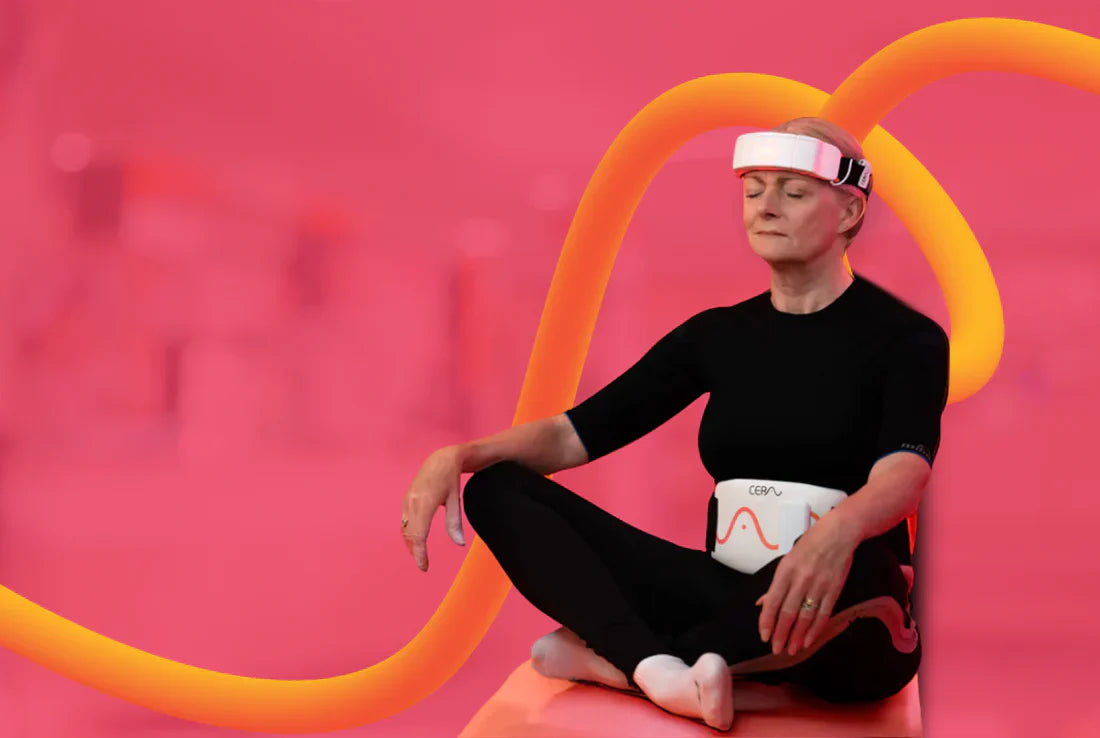
Ready to improve your cell energy and strength?
Living in a world with too much man-made light and not enough sun can drain your cell batteries. This lack of natural light will leave you feeling worn out and slow every single day. If you do not fix your light hygiene now, you may face long term issues with deep rest. A poor mood and low focus can make it very hard to do your best work and stay happy. Starting a red light routine today helps your body recover fast and stay vibrant for many years. Do not wait to give your body the tools it needs to stay strong and healthy every day. You can also learn how red light therapy works in our easy guide to better light health.
Ready to build your routine? Shop Upper Aeon's conscious biohacking technologies and choose tools that support your recovery goals.